It's a reasonable question and one that more people in supply chain should probably be asking.
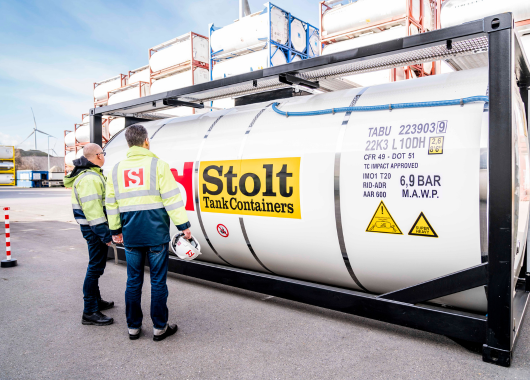
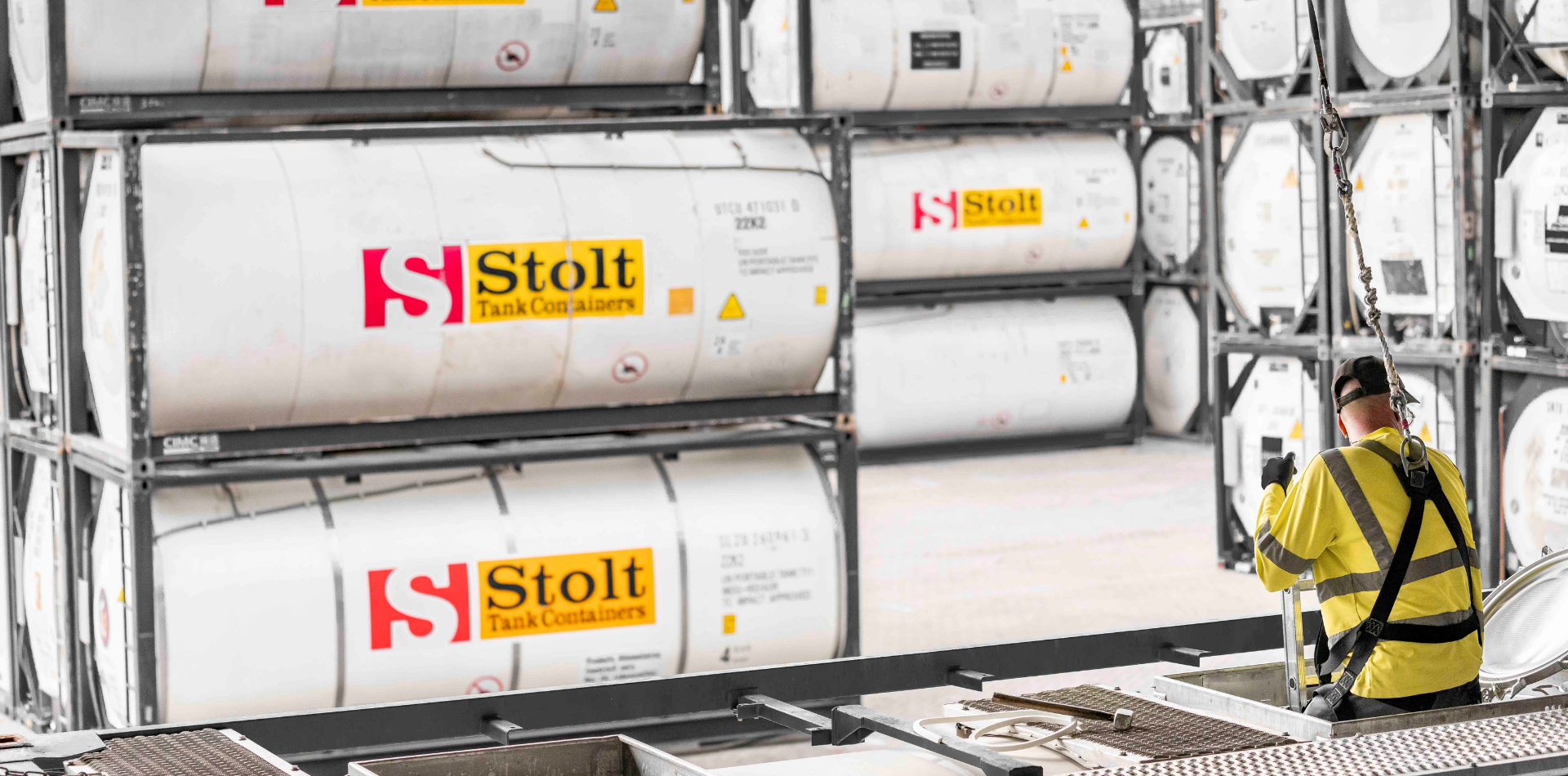
An ISO tank container looks, from the outside, like any other shipping container. Same steel frame, same dimensions, compatible with the same ships, trains and trucks that move goods around the world every day. But inside that frame sits something quite different: a stainless steel pressure vessel, precision-engineered to carry bulk liquids of 17,500 litres or more safely across oceans, borders and climates.
The design is where safety begins.
The vessel itself
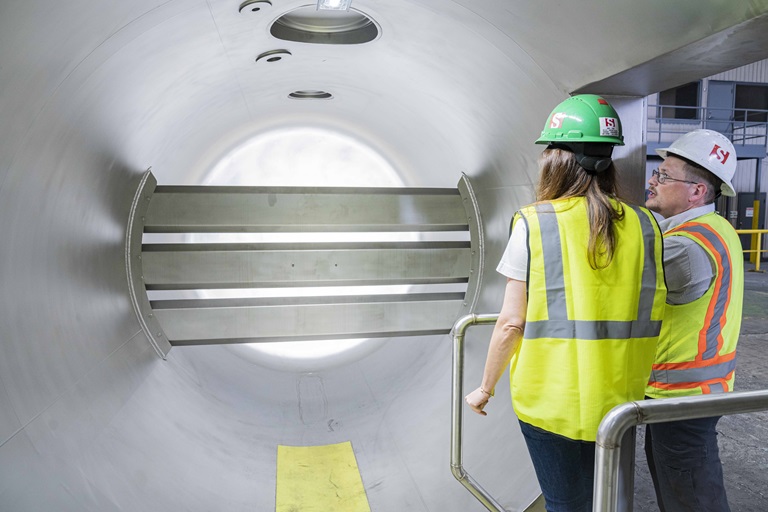
The inner shell is manufactured from marine-grade stainless steel, chosen for its highest corrosion resistance. This matters enormously when handling speciality chemicals or food-grade products, where even trace contamination is unacceptable. The vessel is pressure-rated, designed to withstand the stresses of multi-modal transport without flexing, leaking or reacting with its contents.
Valves, venting and fittings
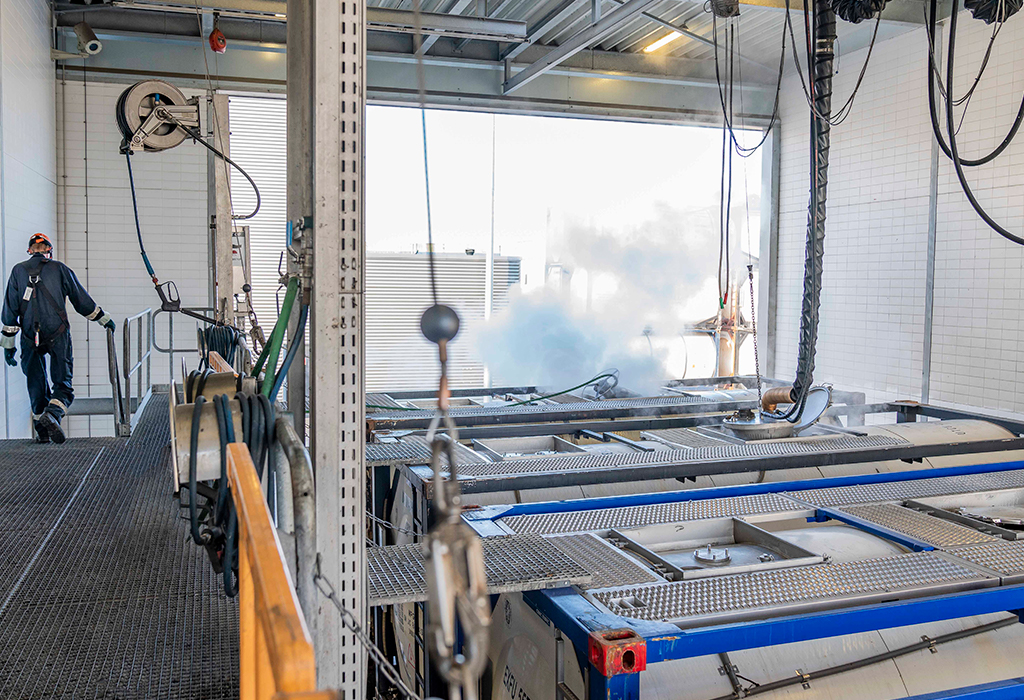
Safety valves and pressure-relief systems are built in to prevent dangerous pressure build-up during transit. Standardised fittings mean the tank can be connected to loading and discharge equipment across terminals worldwide, consistently and without improvisation.
Insulation and heating
Many tank containers are insulated or fitted with heating systems. For temperature-sensitive cargo such as certain resins, fatty acids or viscous chemicals that thicken in cold conditions, this capability is essential. It is what determines whether the product arrives in a usable state.
Interested in finding out more about our approach to quality and safety?